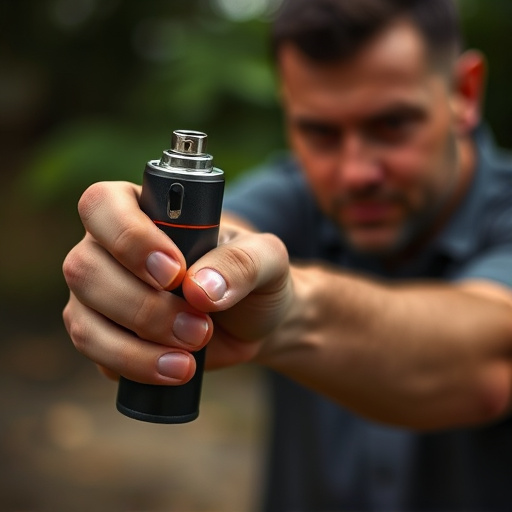
Capsaicin, the heat-inducing compound in chili peppers, is the active ingredient in pepper spray, making it a powerful self-defense tool. When sprayed, capsaicin causes intense irritation and temporary numbness, blinding attackers and disrupting their breathing and heart rate. The pepper spray range typically reaches up to 30 feet (9 meters), but this can vary with weather conditions and application technique. While effective for personal safety, users must follow strict safety protocols and legal guidelines to avoid harm and ensure responsible usage of pepper spray.
“Discover the power of capsaicin, the fiery compound behind effective pepper spray deterrents. This article explores how understanding capsaicin’s properties can enhance your awareness of its range and effectiveness against various threats. From its active ingredient composition to safety considerations and legal aspects, we provide an in-depth look at pepper spray as a deterrent. Learn about its coverage, safety measures to prevent misuse, and the evolving landscape of legal implications, ensuring you’re informed about this popular personal defense tool.”
- Understanding Capsaicin: The Active Ingredient
- Pepper Spray Range and Coverage
- Effectiveness Against Different Threats
- Safety Considerations and Misuse Prevention
- Legal Implications and Availability
Understanding Capsaicin: The Active Ingredient
Capsaicin, the active ingredient in pepper spray, is a natural compound found in chili peppers. It’s what gives spicy foods their heat and tingling sensation. In the context of self-defense, capsaicin is a powerful deterrent as it exploits our bodily responses to irritants. When sprayed, capsaicin triggers nerve endings in the eyes, nose, and skin, causing intense irritation and temporary numbness. This reaction can incapacitate an attacker, providing precious time for escape.
The effectiveness of pepper spray lies in its ability to disrupt normal physical functions through capsaicin’s unique mechanism. The compound isn’t just a simple irritant; it binds to specific receptors in our bodies, leading to a cascade of physiological responses. This includes increased heart rate, coughing, and difficulty breathing, all of which can help an individual defend themselves against an assailant. Moreover, the pepper spray range ensures its utility from a safe distance, making it a versatile tool for personal safety.
Pepper Spray Range and Coverage
Pepper spray, a potent inflammatory agent deterrent spray, is designed to disrupt an assailant’s vision and breathing for several minutes, providing users with crucial time to escape or defend themselves. The range and effectiveness of pepper spray vary significantly based on factors like the concentration of capsaicin (the active ingredient), weather conditions, distance, and the user’s application technique.
On average, a can of pepper spray has a range of approximately 2-4 meters (6-13 feet). Within this range, it’s highly effective in incapacitating an attacker by causing temporary blindness, coughing, and difficulty breathing due to the irritation of the eyes, nose, and throat. However, wind, rain, or other environmental factors can affect its reach and potency, making it crucial for users to understand these variables when considering pepper spray as a personal defense tool.
Effectiveness Against Different Threats
Capsaicin, the active ingredient in pepper spray, is renowned for its effectiveness as an inflammatory agent deterrent. When deployed, it creates a powerful barrier against potential threats by targeting the eyes, nose, and respiratory system. The spray’s range and effectiveness vary based on factors such as wind conditions, distance, and the concentration of capsaicin.
For personal protection, pepper spray is highly effective in disorienting and temporarily incapacitating assailants, offering users a crucial window of escape or self-defence. In terms of range, modern pepper sprays can reach distances of up to 30 feet (9 metres), ensuring users are protected even at a moderate distance. This makes it a valuable tool for individuals in various situations, from outdoor activities and personal safety to security applications and law enforcement.
Safety Considerations and Misuse Prevention
When using capsaicin inflammatory agent deterrent spray, it’s imperative to prioritize safety and prevent misuse. These sprays, designed for personal protection, utilize capsaicin, a compound found in chili peppers known for its intense heat and irritant properties. Despite their effectiveness as a Pepper Spray Range and Effectiveness in deterring potential threats, they should be handled with care. Direct contact with eyes, skin, or inhalation can cause significant discomfort, redness, and even breathing difficulties.
To mitigate risks, users must follow manufacturer guidelines strictly, including wearing protective gear during application if necessary. Storing these sprays safely, out of reach of children and in designated areas, is crucial to prevent accidental use. Additionally, proper disposal methods should be employed to ensure the environmental safety and prevent any potential misuse.
Legal Implications and Availability
In many jurisdictions, the use and possession of capsaicin inflammatory agent deterrents, commonly known as pepper spray, are regulated under specific laws and regulations aimed at ensuring public safety and responsible use. These legal implications vary widely across countries and regions. For instance, some areas have strict controls on the type and strength of pepper spray that can be legally acquired and used, while others have more lenient restrictions.
The availability of capsaicin spray is typically limited to authorized individuals such as law enforcement agencies, security personnel, and in some cases, civilians for personal protection. The Pepper Spray Range and Effectiveness play a crucial role in these legal considerations. Manufacturers must adhere to guidelines regarding active ingredients, concentrations, and delivery mechanisms to ensure the product’s safety and efficacy without causing unnecessary harm. This strict regulation ensures that pepper spray is utilized as a deterrent rather than a weapon, promoting responsible use and minimizing potential misuse or abuse.
Capsaicin inflammatory agent deterrent spray, with its proven effectiveness against various threats, offers a powerful solution within the pepper spray range. Understanding its active ingredient, safety considerations, and legal implications equips users to make informed decisions. By recognizing the spray’s capabilities, individuals can enhance their personal or professional security while navigating potential risks.